From residue to resource
NeoX™neutralises red mud and recovers the critical minerals it contains—transforming the world's largest industrial waste stream into a secure Western supply of scandium, gallium, rare earth elements, and iron.
Critical mineral security
A domestic, above-ground source of scandium, gallium, and rare earth elements—critical minerals for which the West relies heavily on imports.
Environmental remediation
The hazard is neutralized, not merely relocated. We remove the alkalinity that makes red mud dangerous.
Circular processing
Reagents are regenerated and returned to the process. Multiple valuable products are recovered, while the remaining solid residue is converted into a marketable secondary feedstock.
The largest industrial waste stream almost no one is solving
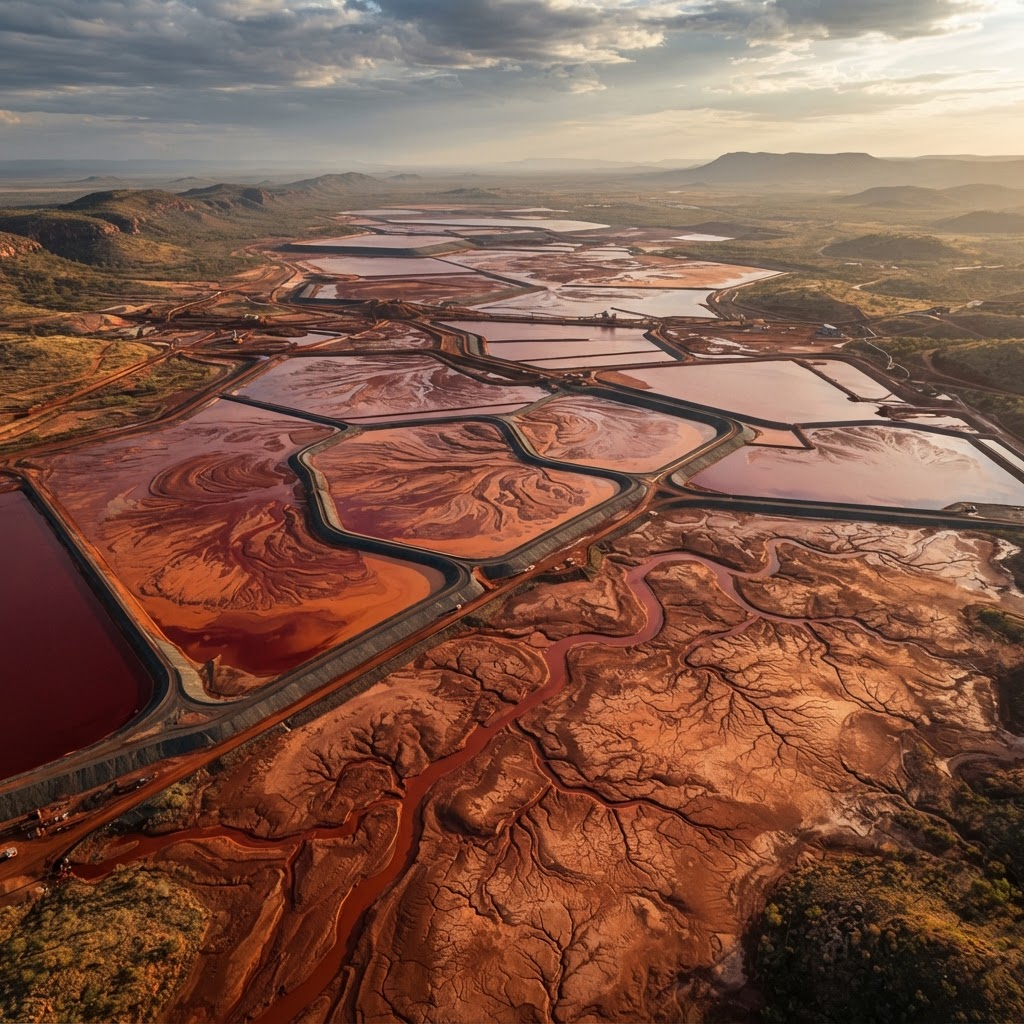
Refining bauxite into aluminium leaves behind a caustic red slurry known as red mud. Stored in vast impoundments, it requires long-term management and has resisted previous attempts at commercially viable recovery. As the volume continues to grow, the valuable minerals it contains remain locked away.
>4 Billion t
More than 4 billion tonnes of red mud are already stored worldwide
~150 Mt / yr
Approximately 150 Mt per year of new red mud is generated—and the volume continues to rise
pH 10–13
Highly alkaline, creating significant risks to soil and water
Every dot is a liability. Every dot is an orebody.
Red mud accumulates wherever alumina is refined. More than four billion tonnes are already stored worldwide, with roughly 150 million tonnes added each year. Yet these same deposits—while posing long-term risks to land and water—contain valuable iron, alkali, and the critical minerals the West is urgently seeking to secure.
Four steps. One closed loop.
NeoX™ is sequential by design — each step depends on the one before it. The order is where the chemistry lives.
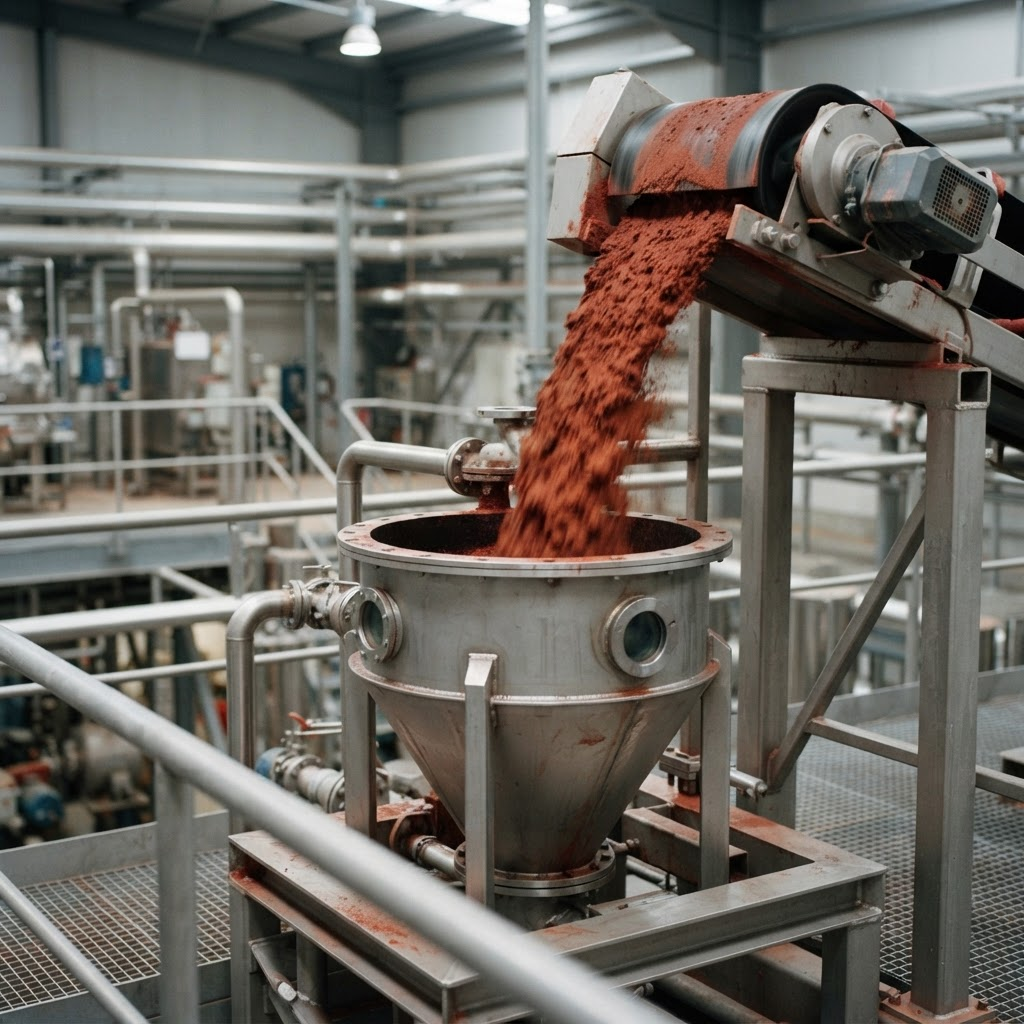
Feed
Red mud is taken directly from refinery storage—without pre-treatment, drying, or beneficiation. The feedstock begins as an environmental liability that refinery operators need to manage.
One waste stream in. Seven product streams out.
A single rust-coloured feedstock is transformed into multiple distinct, saleable products—from bulk iron oxide and alumina to high-value critical material oxides. The remaining titanium-, aluminium-, and silicon-rich residue is sold to downstream companies for further processing and use.
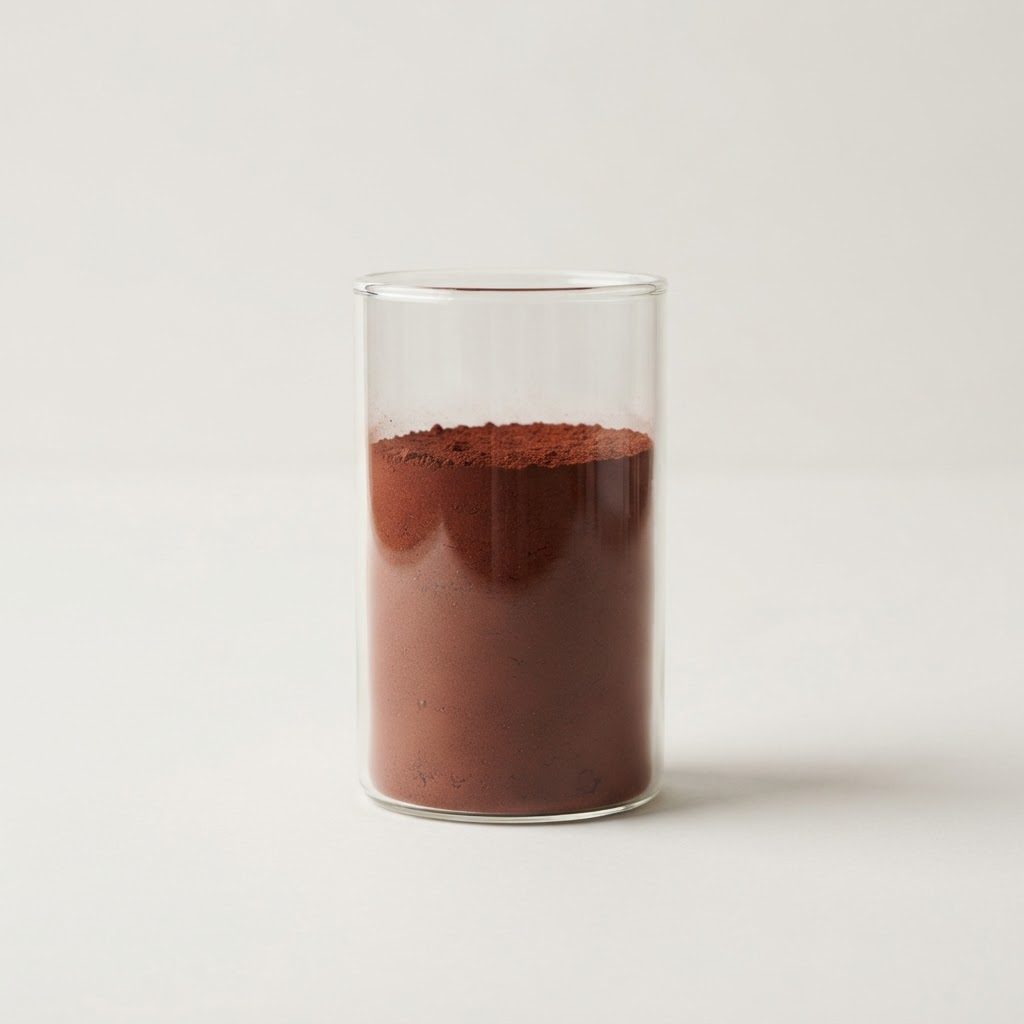 Iron oxideBulk feedstock for steel and cement
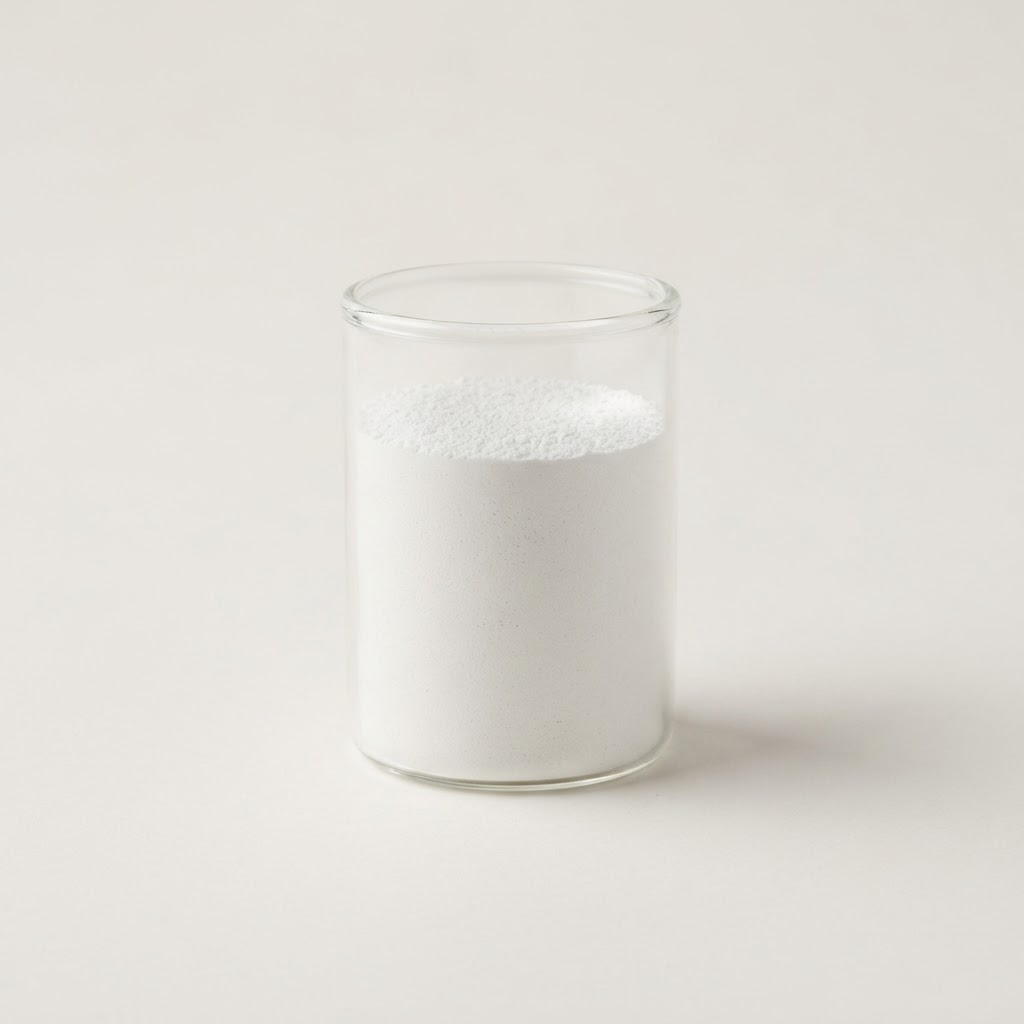 AluminaReturned to the aluminium value chain
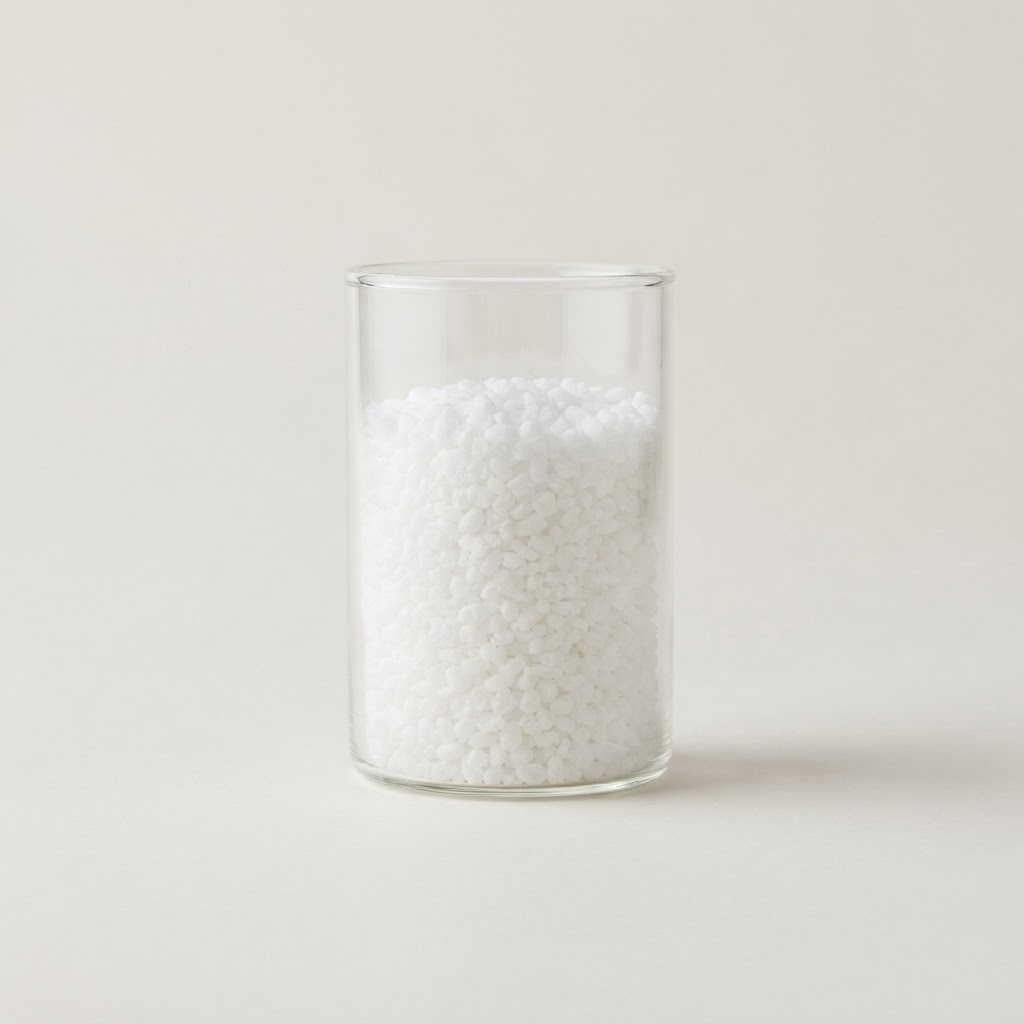 Sodium hydroxide powderRecovered and reused as reagent
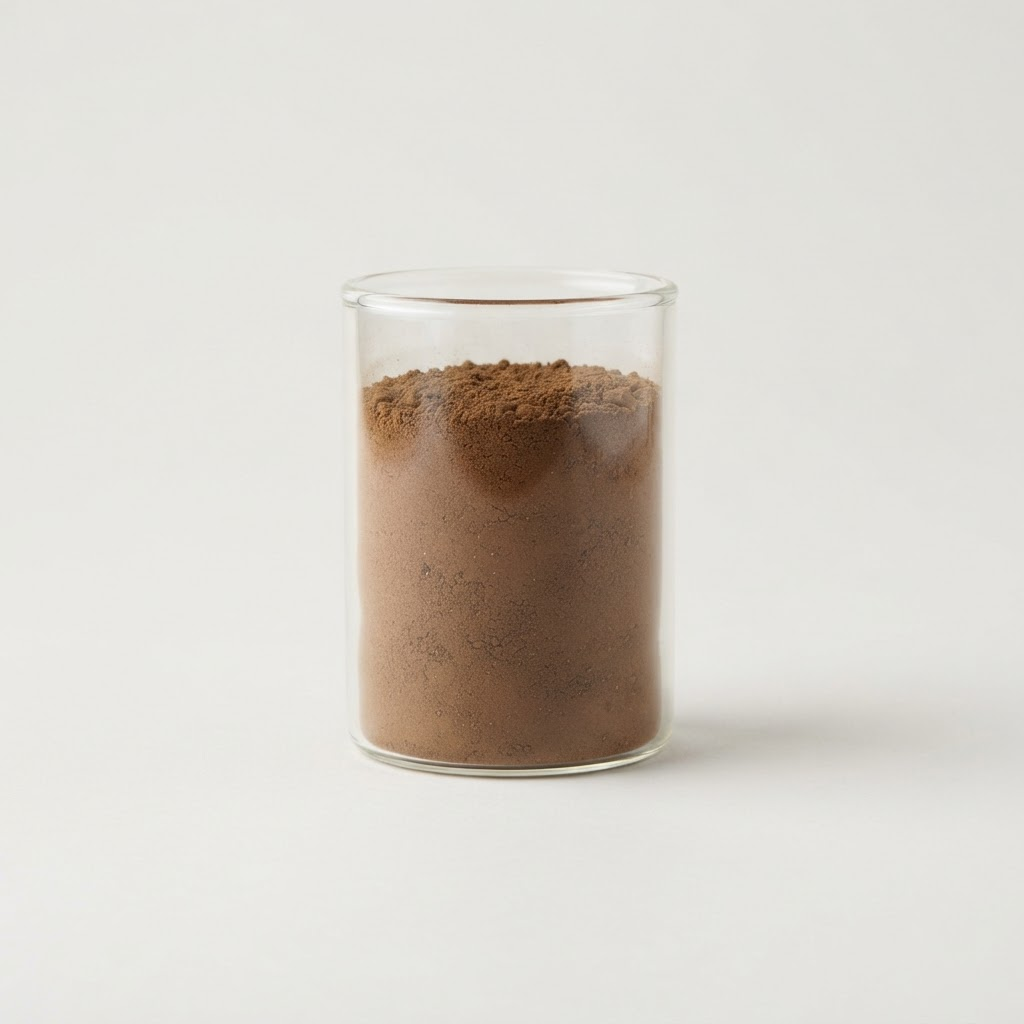 REE oxideCritical magnet and alloy materials
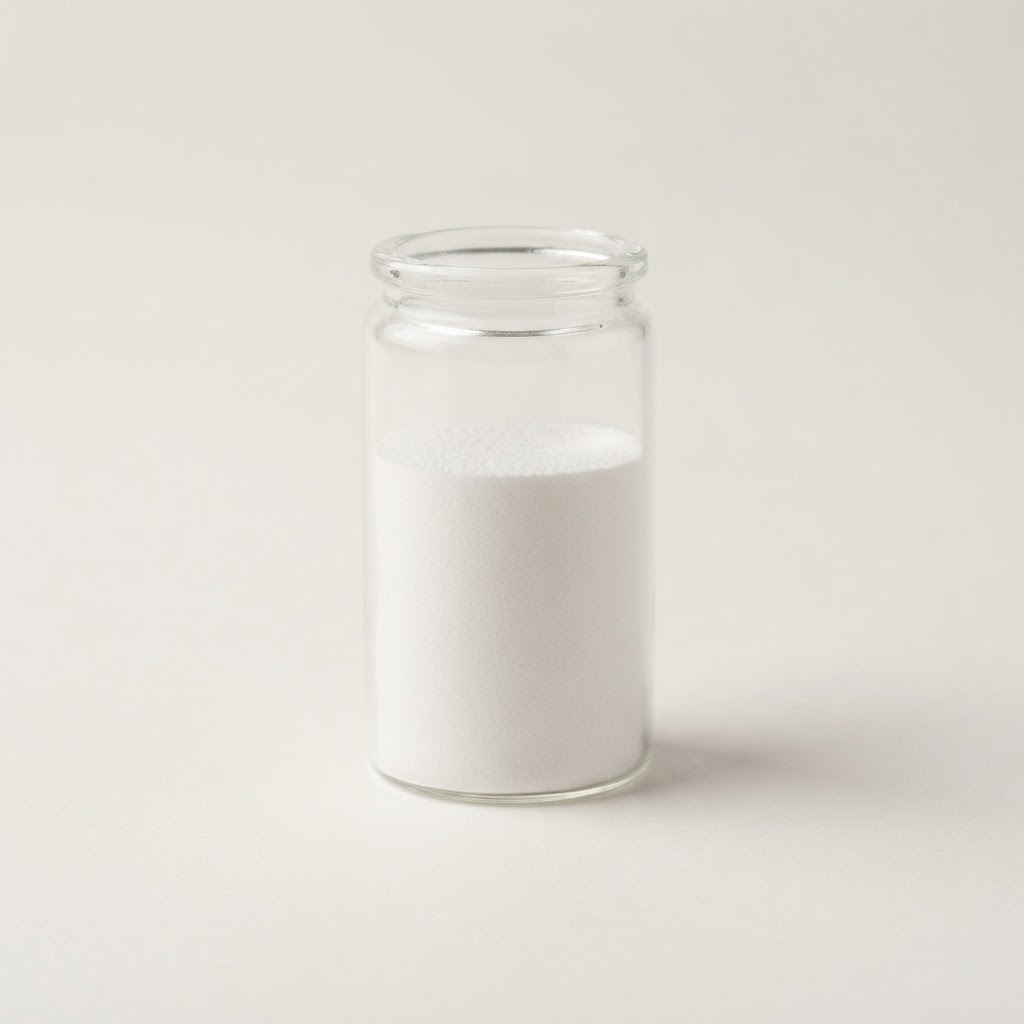 Gallium oxideSemiconductors and defence supply
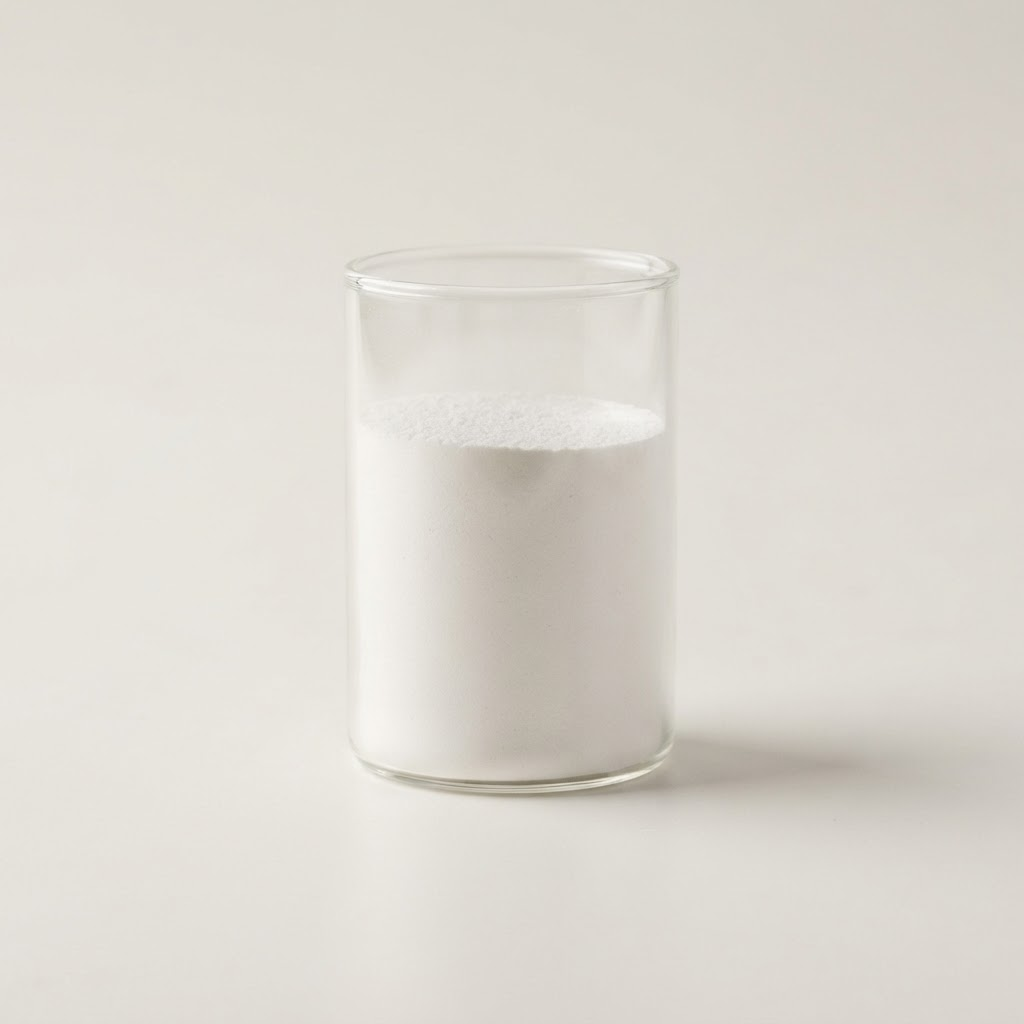 Scandium oxideHigh-performance aluminium alloys
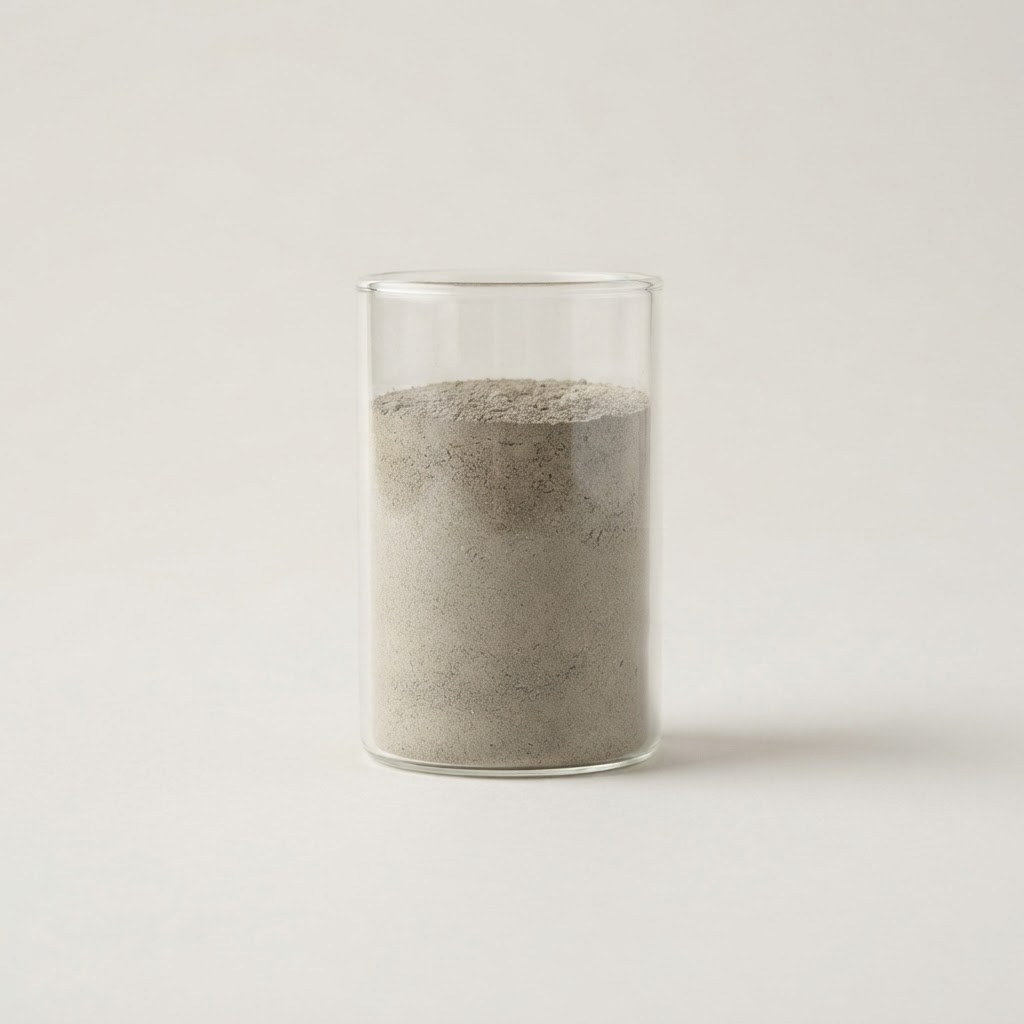 Al/Ti/Si-rich residueSold to downstream companies for further processing
Four things that make this work
We remove the hazard, not just the metal
Competing approaches extract one element and leave the residue exactly as they found it. We take the liability off the operator's balance sheet.
Our reagents come back
We regenerate rather than consume. This is the single reason the economics close where other routes fail.
Multiple products, not one
The bulk material carries the cost of processing, so the critical minerals arrive as margin rather than as the only thing paying the bills.
No smelting
Conventional hydrometallurgy. Lower energy, standard equipment, far lower capital intensity than high-temperature routes.
A business, not a grant project
The residue owner pays to be rid of a liability, and the recovered minerals meet demand the West cannot currently supply. Both sides of the transaction want it to happen.
Detailed techno-economic analysis available under NDA.
Feedstock is free
The residue is a liability its holder pays to store. Our input cost starts below zero.
Strong margins
Multiple recovered products share the processing cost, so no single commodity price carries the model.
Rapid payback
Standard hydrometallurgical equipment and no smelting keep capital intensity low.
No subsidies needed
The economics stand on product revenue alone — grant support accelerates, it does not enable.
Built with research institutions, laboratories and advisors advancing residue valorisation. Named partners will appear here as agreements allow.
- Research partner
- University lab
- Technical advisor
- Grant programme
Notes on the chemistry, the market and the problem
For operators
Do you operate an alumina refinery?
Turn a residue you pay to store into a processed feedstock. Let's talk about the material sitting in your impoundments.
Partner with usFor partners
Building critical mineral supply?
Investors, offtake buyers and technology partners — we'd like to hear where you fit.
Get in touch